
Most jewelry had lived many lives until it reached our wardrobes — long before we call something an everyday staple, it likely meant something entirely different to someone else. Today, we are dissecting another ancient idea getting a modern makeover — the lip cuff.
Labrets, lip cuffs, lip plugs, lip plates, lip piercing — mouth adornments in all their forms have appeared in cultures around the world for many thousands of years. Their meanings varied: in some communities they signalled rank or achievement, in others they expressed beauty, identity or maturity.
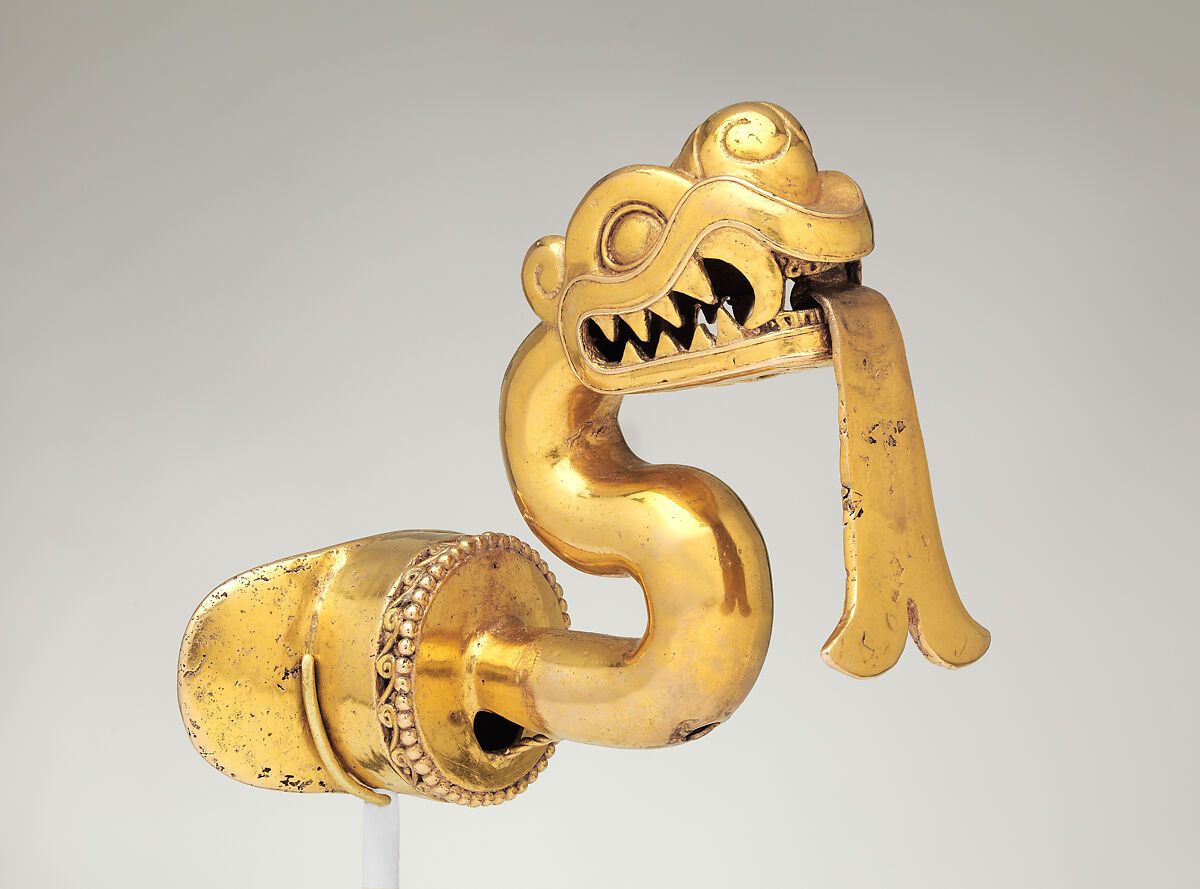
In Mesoamerica, for example, labrets were worn by Aztec elites and manifested power with rulers and high-ranking warriors often wearing labrets carved into animal forms.
Across parts of Africa, lip plugs and lip plates have held different meanings depending on the community — from aesthetics and cultural identity to adulthood. Among the Mursi and Surma (Suri) tribes of Ethiopia, women traditionally pierce and gradually stretch the lower lip to accommodate circular plates made from clay or wood — the practice linked to maturity and social identity.
But how did lip adornments slip into the global culture?
The early influence began appearing in the late 20th century through alternative scenes and growing body modification culture. These groups borrowed the aesthetic of labrets without attempting to replicate the cultural meaning, using piercings instead as a symbol of rebellion and subculture identity. By the 1990s and early 2000s lip piercings had made their way into mainstream youth fashion.

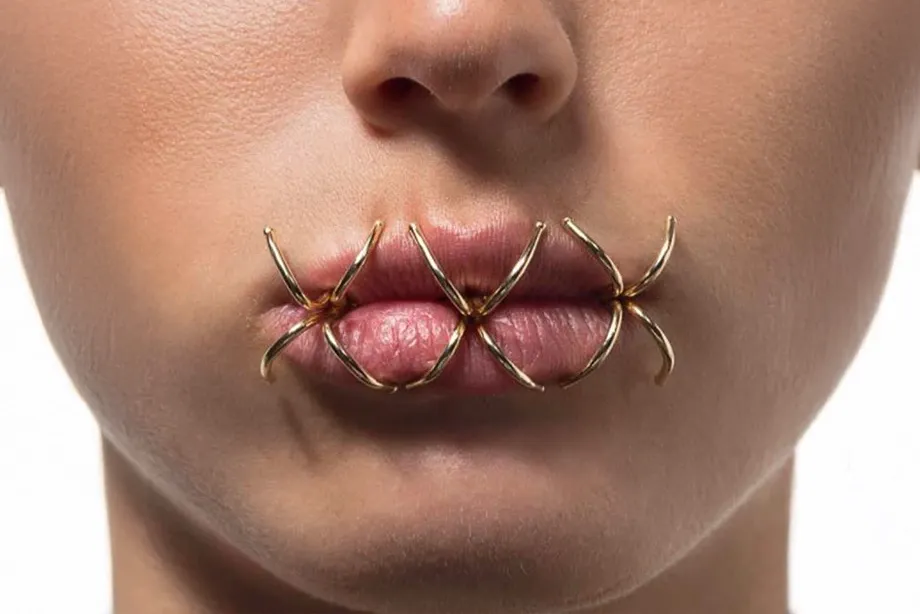
The most recent wave reimagined lip jewelry again: as fashion increasingly treats the face like a canvas, lip cuffs have become a way to add drama and self-expression — this time without committing to an actual piercing.
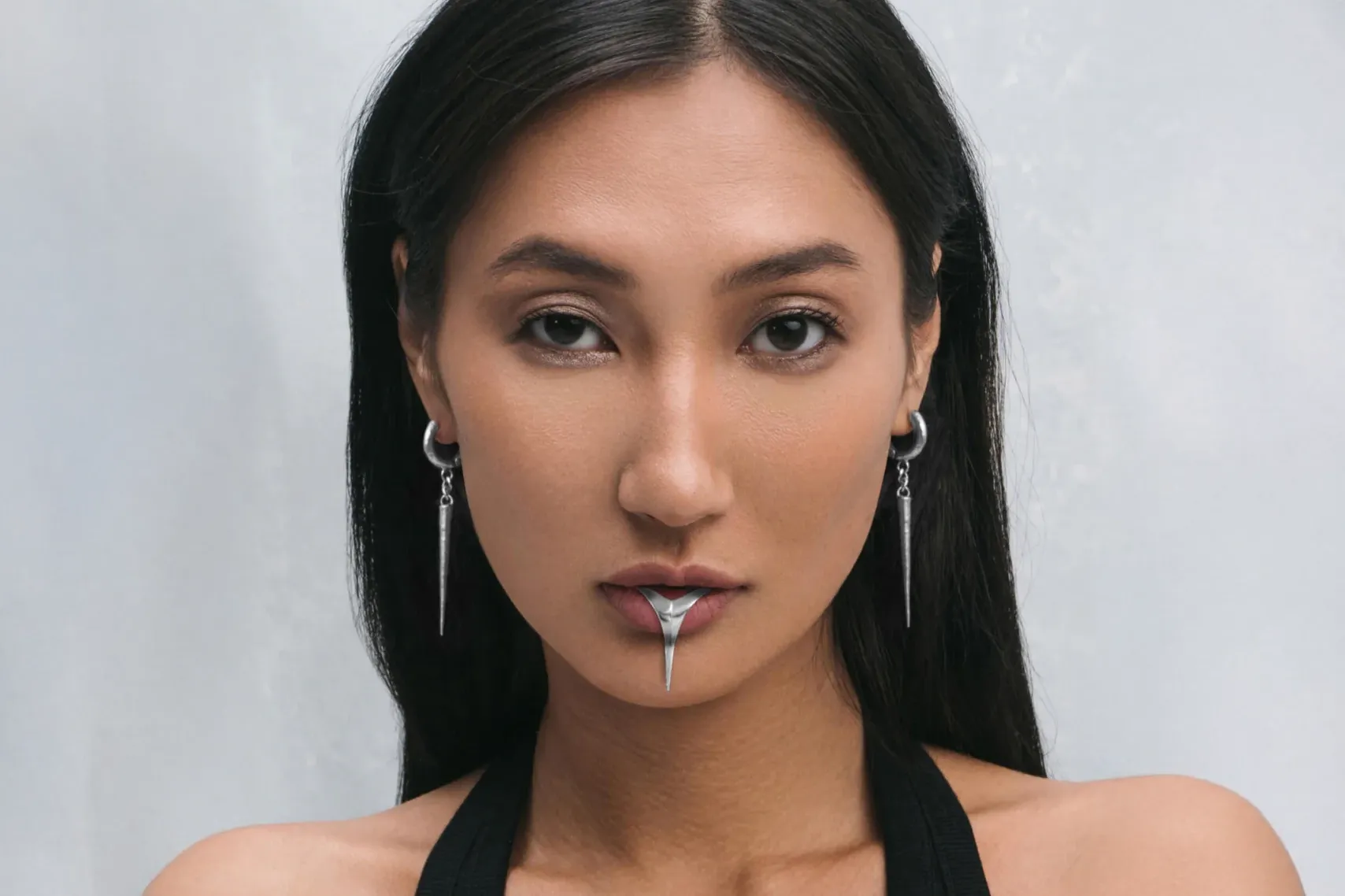
What is interesting is how dramatically the form has changed.
A piece once rooted in bold cultural symbolism is now often designed with surprising subtlety — slim metal bands that sit along the lip line, tiny sculptural accents that look more like modern beauty detail than body modification.

This shift towards minimalism makes lip cuffs remarkably versatile: they can sit quietly in a clean look, or become the finishing touch in something more avant-garde. This way an ancient adornment has quietly found its way into contemporary style.
More from
FashionJewelry
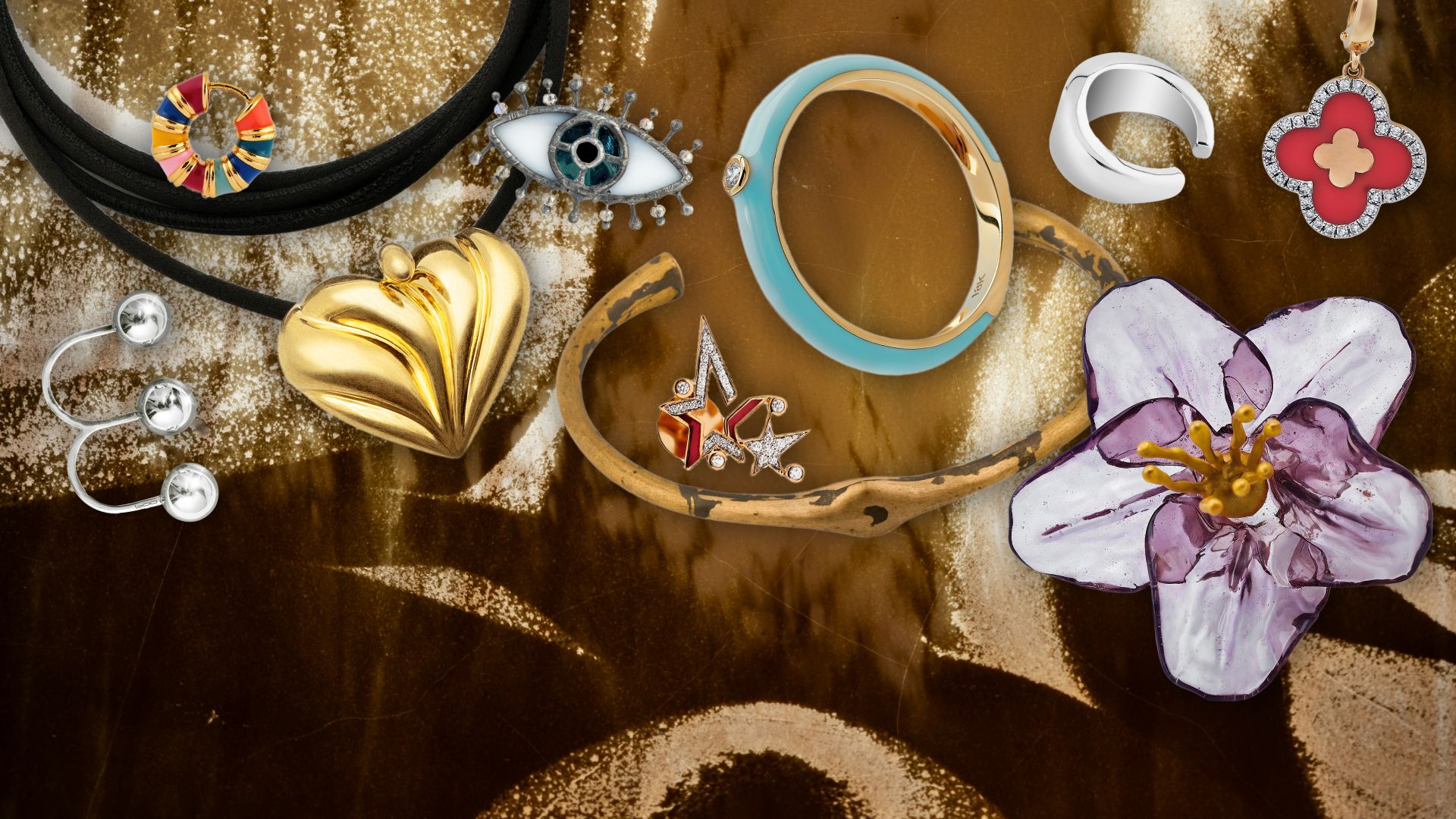
From Lungs To Ears: The Rise Of Anatomical Jewelry
Explore the designers drawing inspiration from the human body
by Sana Bun
23 Dec 2025
SponsoredJewelry
Sparkling Mascots: Jewelry Stories With Poison Drop
From heirlooms to lucky charms: Sandy's best friends share their jewelry tales
by Dara Morgan
8 Oct 2025
InterviewJewelry
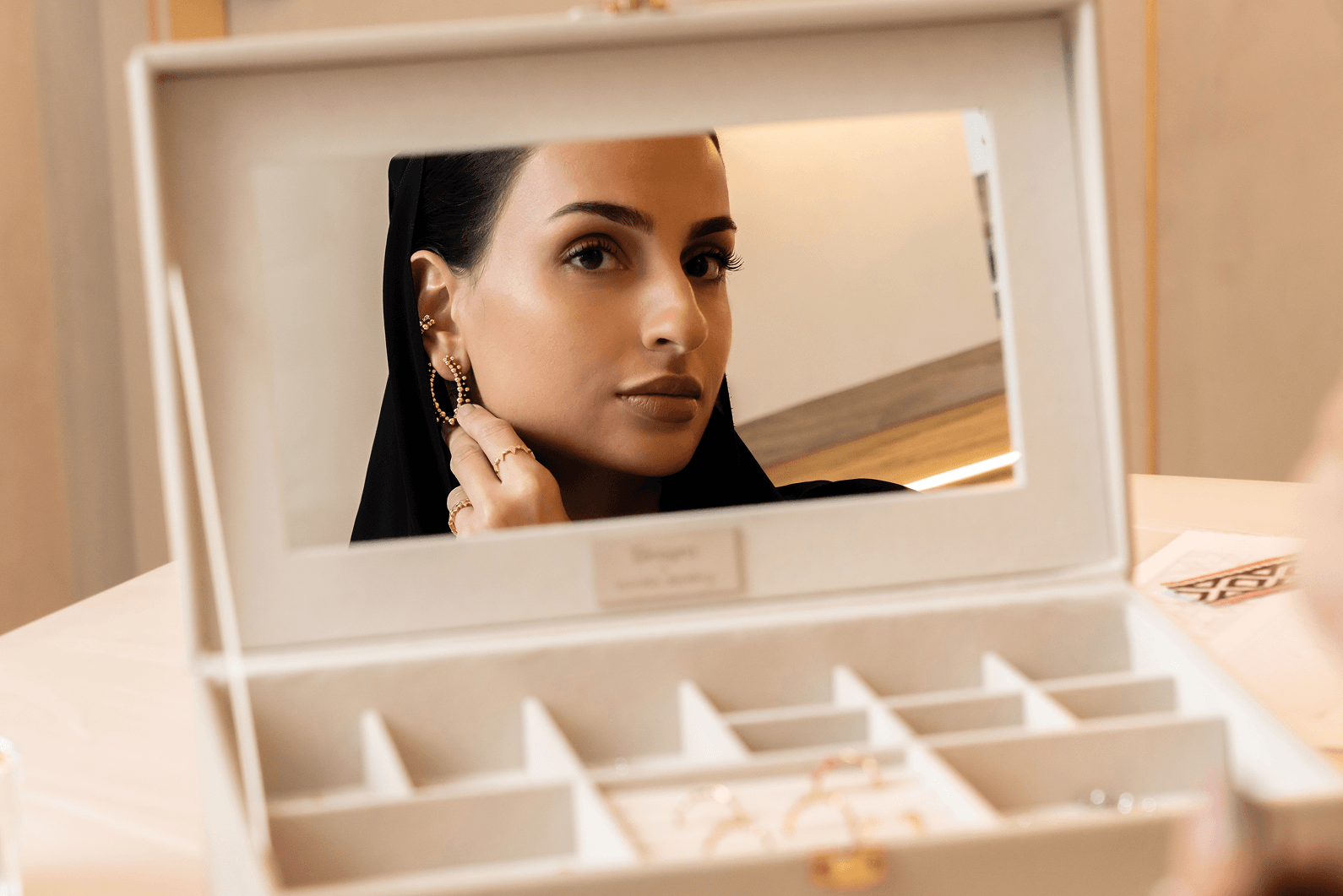
"Some Collections Take Me Over A Year” — Noora Shawqi, Emirati Jewelry Designer
Noora Shawqi on her biggest early mistake, her favourite collection, and the story behind her most special piece
by Barbara Yakimchuk
29 Sept 2025
DubaiJewelry
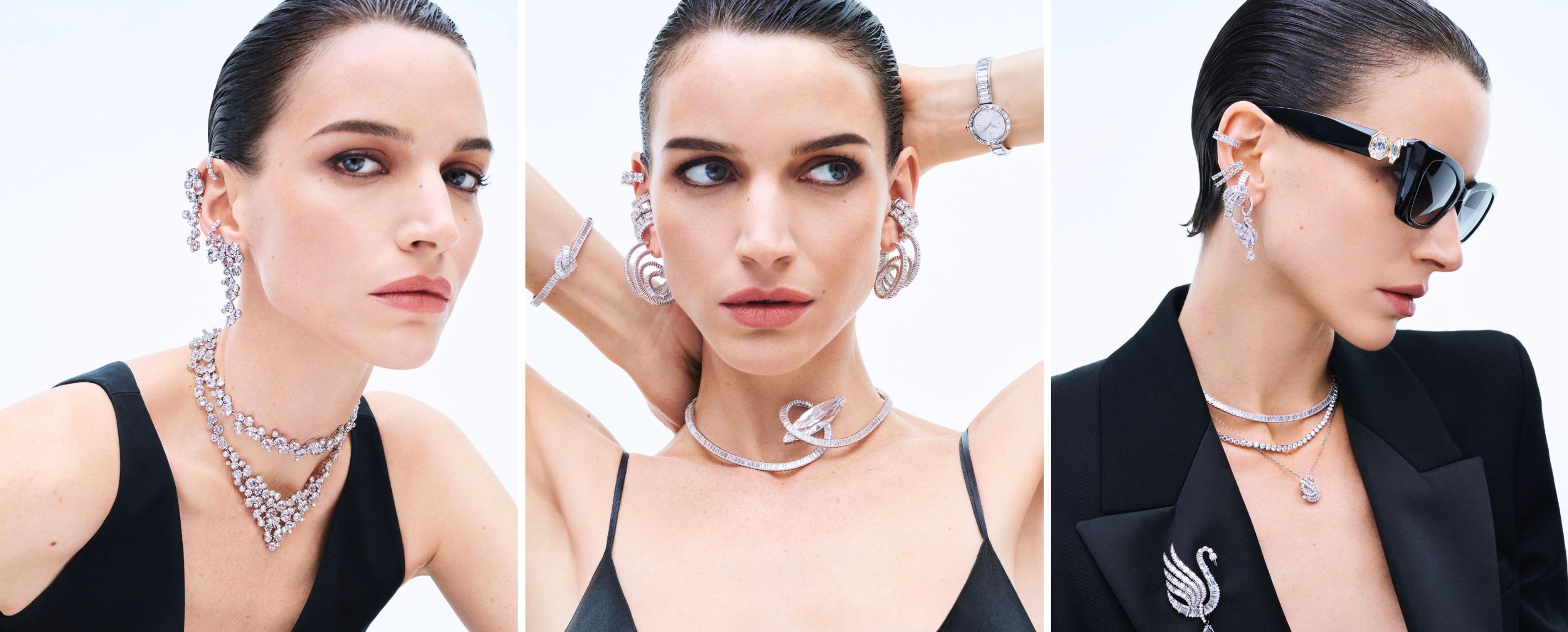
Swarovski Shines Bright: New Boutique Opens At Dubai’s Palm Jumeirah
A dazzling Swarovski store at Palm Jumeirah celebrates 130 years of crystal artistry and innovation
by Sophie She
26 Sept 2025

InterviewJewelry
Historical Jewelry Hides Stories. Meet Farah Bastaki, Artist And Jeweller
Discover how history and mythology inspired Farah to launch her own brand
by Alexandra Mansilla
9 Jul 2025

InterviewBeauty
12 Years a Blogger: Maya Ahmad On Beauty & Business
Maya Ahmad on 12 years of content, beauty lifehacks and the story behind her jewellery brand
by Barbara Yakimchuk
6 Jun 2025