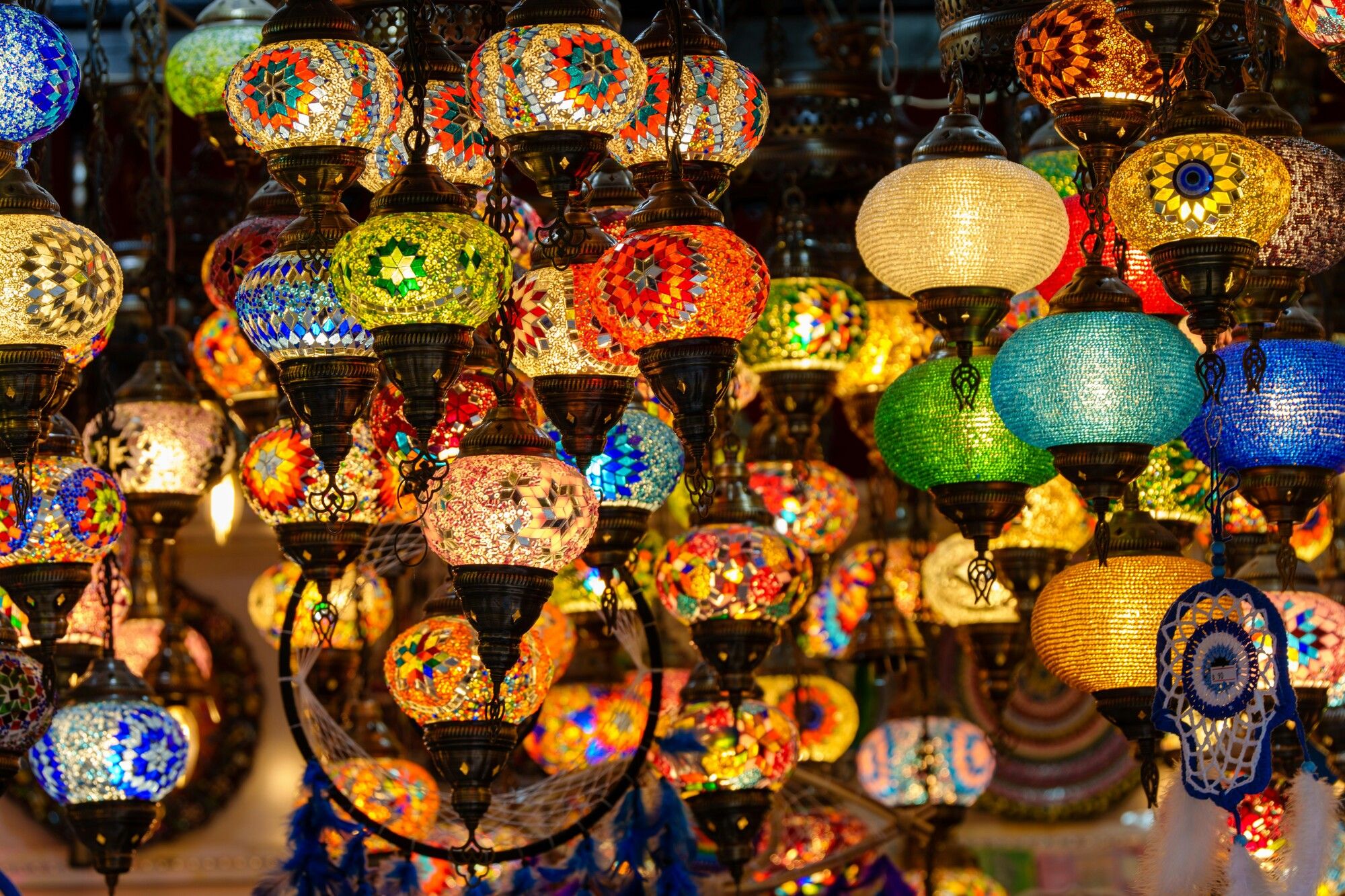
Ramadan for expats isn't only about learning new rules, but also about understanding how daily life changes across the Middle East during the holy month. From adjusted work schedules and quieter daytime routines to lively evenings centred around Iftar, the rhythm of daily life shifts in subtle but noticeable ways. For newcomers, knowing how to behave during Ramadan in the Middle East helps avoid awkward moments and shows cultural awareness. This expat guide to Ramadan focuses on practical etiquette rather than religious obligations, covering public behaviour, workplace norms, and social customs. With a bit of preparation and sensitivity, navigating Ramadan becomes straightforward and respectful.
How to behave during Ramadan in the Middle East
Understanding how to behave during Ramadan in the Middle East comes down to mindfulness rather than rigid rules. The atmosphere is calmer, routines shift, and evenings become more social.
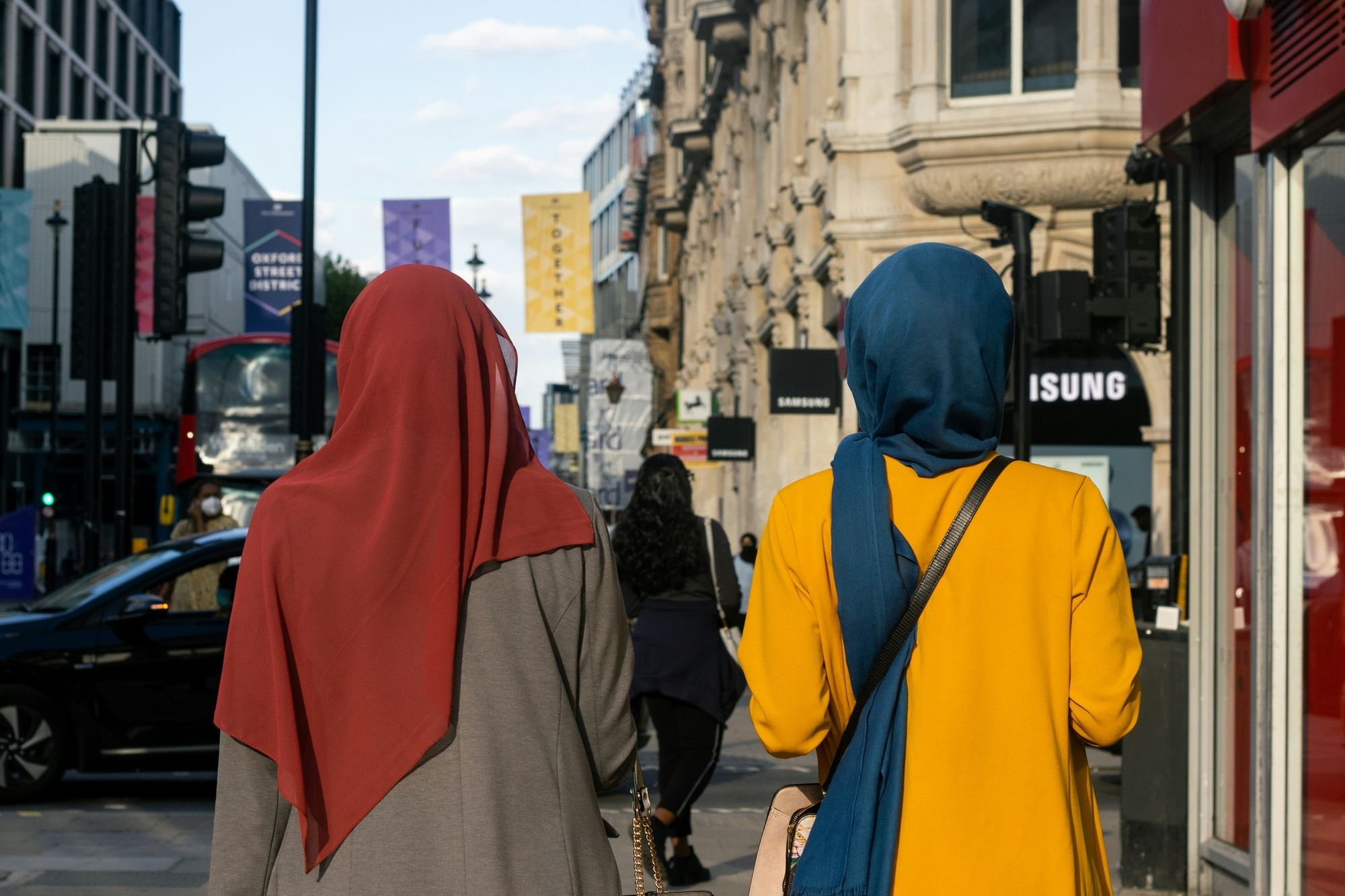
Dress conservatively
Modest dress is encouraged year-round in many Middle Eastern countries, but during Ramadan it becomes even more important. This applies to both men and women.
- Choose loose-fitting clothing
- Cover shoulders and knees
- Avoid sheer or overly tight garments
- Dress especially modestly when visiting mosques or attending Iftar gatherings
This is a key part of Ramadan etiquette non-Muslims should be aware of, and it’s often appreciated rather than explicitly enforced.
Can you eat in public during Ramadan?
One of the most practical questions for newcomers is can you eat in public during Ramadan. While rules vary by country, the shared principle across the region is mindfulness. Eating, drinking, smoking, or vaping in public during daylight hours can be distracting for those who are fasting, which is why discretion is encouraged.
- Public eating and drinking during the day is often restricted or discouraged
- Many hotels and international restaurants operate discreetly, sometimes behind screens
- Private spaces, offices, and designated areas are usually acceptable
In the Gulf, regulations have relaxed in recent years, particularly in large cities. That said, what not to do during Ramadan still includes openly eating or drinking in public spaces during the day, as a matter of respect rather than enforcement.
Ramadan rules in the UAE for non-Muslims
Ramadan rules in the UAE for non-Muslims are more flexible than they once were, especially in Dubai. Restaurants often remain open, and eating in public isn't strictly banned, but discretion is still expected. Authorities continue to encourage respectful behaviour, particularly in malls, public transport, and government buildings.
Social etiquette: Iftar, greetings, and daily life
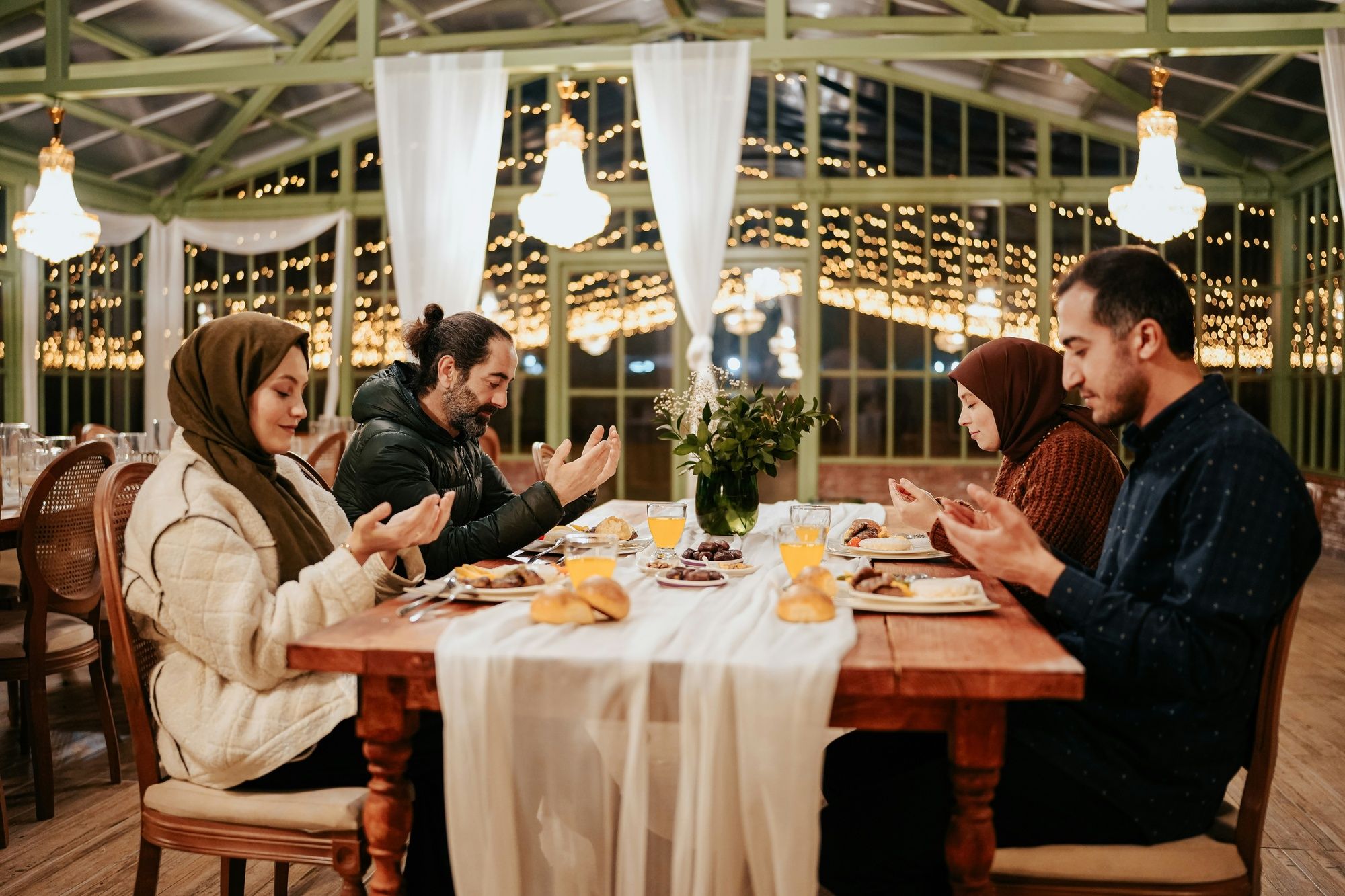
Accept Iftar invitations
Accepting Iftar invitations is one of the most meaningful ways to engage with local culture. Friends, colleagues, and neighbours often invite expats to break the fast together, and these gatherings are warm, generous, and social.
For anyone navigating Ramadan for expats, this is an easy and genuine way to participate without fasting.
Use appropriate greetings
Simple greetings are always appreciated:
- “Ramadan Kareem”
- “Ramadan Mubarak”
Using them shows awareness and respect, even if you are unfamiliar with religious details. This is a small but important part of Ramadan etiquette non-Muslims often overlook.
Sound, behaviour, and public conduct
Ramadan brings earlier mornings, later nights, and increased prayer activity. Being mindful of this shift matters.
- Keep music volume low in public and at home
- Avoid loud gatherings during late-night or early-morning hours
- Use headphones when listening to music in shared spaces
These habits align closely with expectations around how to behave during Ramadan in the Middle East.
Work schedule during Ramadan in Dubai and the region
Another common concern is the work schedule during Ramadan in Dubai and neighbouring countries. In most Gulf states:
- Working hours are officially reduced
- Start times may shift earlier
- Productivity expectations adjust accordingly
Many offices operate shorter days, and meetings are often scheduled earlier in the morning. This applies to both Muslim and non-Muslim employees, making it one of the more noticeable changes for expats during Ramadan.
DOs and DON’Ts for expats during Ramadan
DO
- Follow government-issued Ramadan rules
- Dress modestly and appropriately
- Be mindful of eating and drinking in public
- Learn Suhoor and Iftar timings
- Adjust expectations around schedules and response times
These practices help expats navigate Ramadan for expats smoothly and respectfully.
DON’T
- Be dismissive or disrespectful of traditions
- Photograph people without permission
- Play loud music in public spaces
- Engage in public displays of affection
Understanding what not to do during Ramadan avoids unnecessary discomfort and shows cultural awareness.
Respecting Ramadan customs in Saudi Arabia
Respecting Ramadan customs in Saudi Arabia requires particular attention. Regulations are stricter than in some neighbouring countries, and public behaviour is more closely observed.
- Public eating and drinking during daylight hours is prohibited
- Dress codes are more conservative
- Public conduct is expected to remain restrained
For expats living or travelling there, learning local expectations in advance is essential.
Navigating Eamadan for expats is less about memorising rules and more about reading the room. Being considerate, observant, and open goes a long way. You don’t need to fast, but understanding Ramadan etiquette non-Muslims are expected to follow helps you move through the month comfortably and respectfully when you are adjusting to a different work schedule during Ramadan in Dubai, knowing can you eat in public during Ramadan, or simply wishing colleagues well, small gestures matter. With the right mindset, Ramadan becomes not a challenge, but a meaningful cultural experience to share.
More from
RamadanDubai
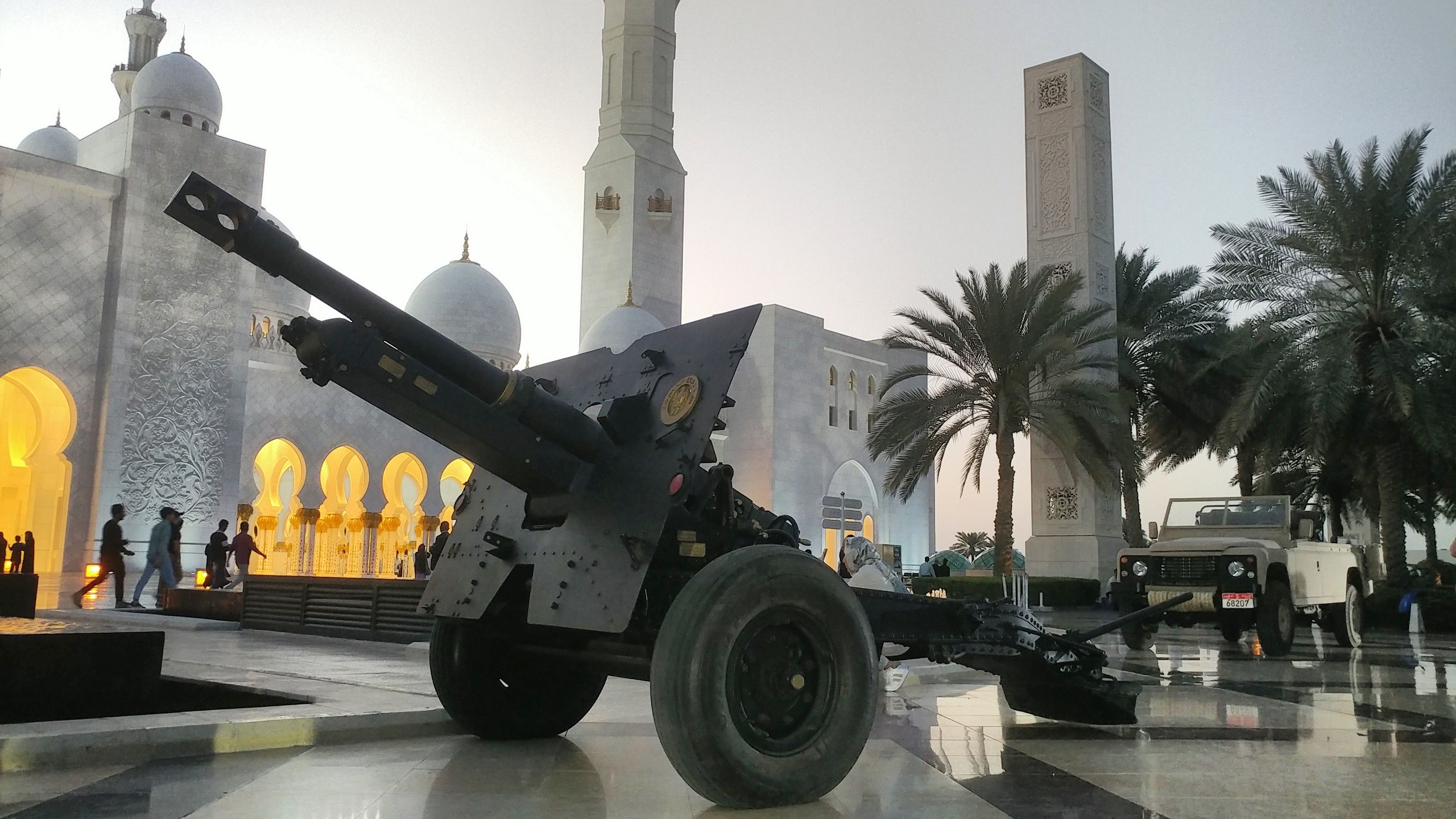
Why Do Cannons Fire During Ramadan?
The origins of the Iftar cannon — and the simple questions you might have about it
by Barbara Yakimchuk
27 Feb 2026
TravelRamadan
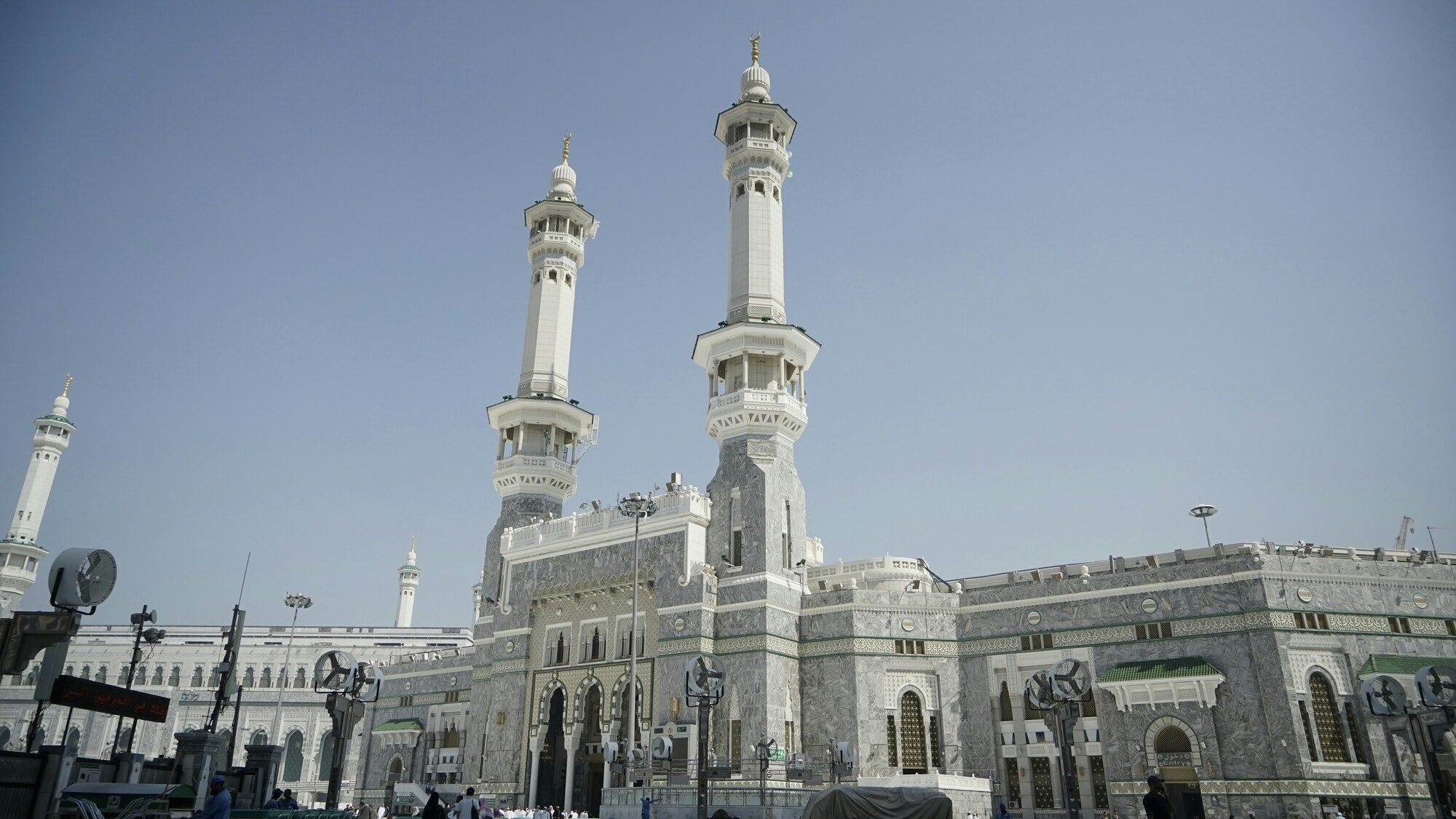
Historic Mosques To Visit During Ramadan In the Middle East
With access rules and travel guidance for Muslim and non-Muslim visitors
by Sana Bun
24 Feb 2026
RamadanRestaurants
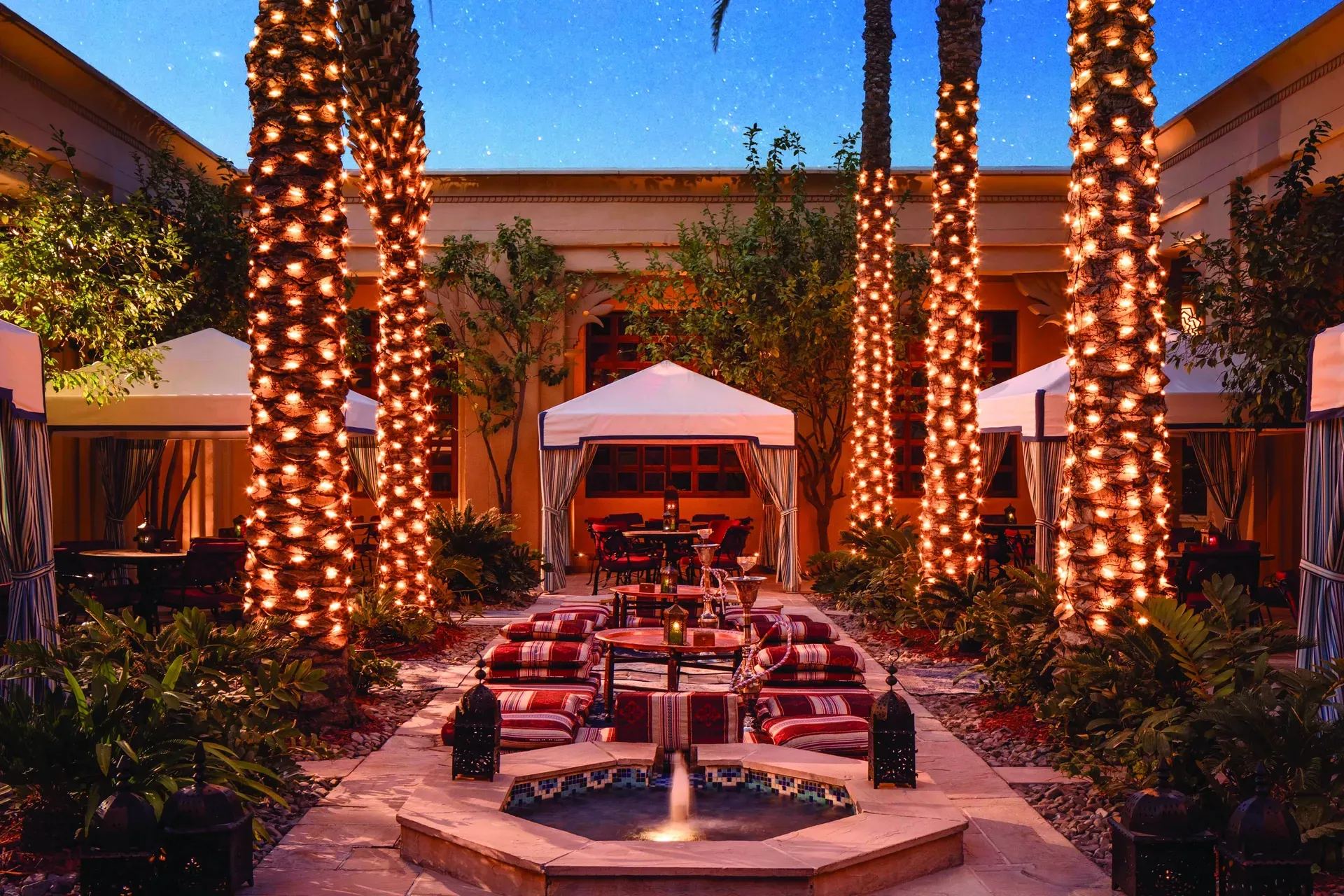
From Iftar To Midnight: Popular Night Cafés Across the Arab World
A practical guide to late night spots during Ramadan
by Sana Bun
23 Feb 2026
LivingRamadan
Traveling To the Middle East During Ramadan 2026: What Tourists Should Know
Practical Ramadan travel guide 2026
by Sana Bun
21 Feb 2026
RamadanDubai
Top Iftar And Suhoor Experiences In Dubai & Abu Dhabi During Ramadan 2026
Discover some of the best spots in the UAE
by Sana Bun
17 Feb 2026

ShoppingRamadan
Local Gift Guide: Homeware Edition
Discover authentic homeware picks by Arabic brands
by Sana Bun
9 Feb 2026
RamadanPeople
Experiencing Ramadan For the First Time
Meals, hydration, movement and mindset — advice on navigating Ramadan from those who have done it before
by Barbara Yakimchuk
6 Feb 2026