6 Feb 2026
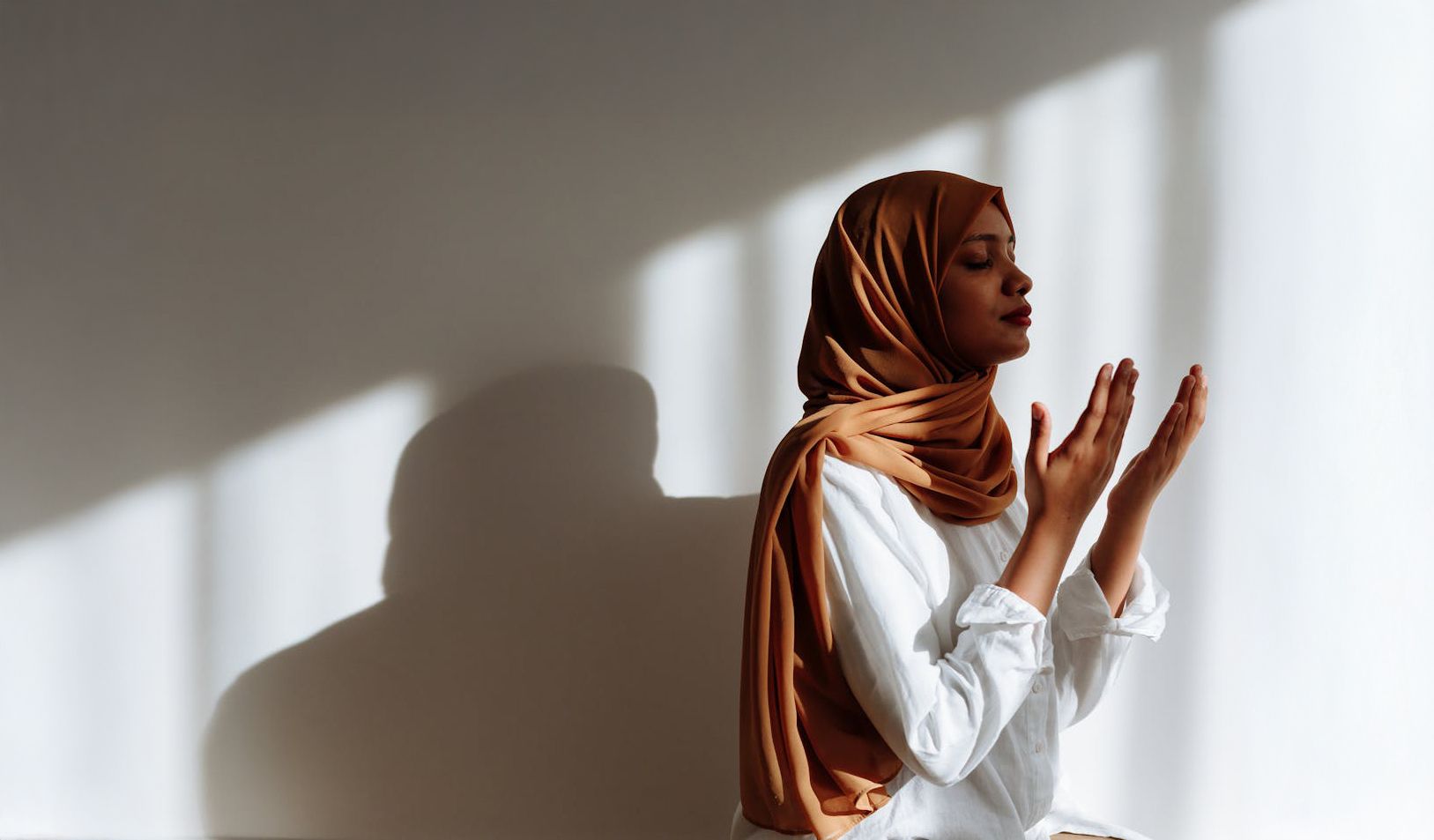
In less than two weeks, Muslims around the world will welcome the Holy Month of Ramadan — a time to slow down, recharge, and reconnect with gratitude, reflection, and care.
For some, this year will feel especially significant, as it marks their first time observing Ramadan in full. And this is entirely natural: being Muslim doesn’t always mean fasting straight away. For many, the decision comes later — whether at 20, 30, or even 40 — and remains deeply personal.
For those observing Ramadan fully for the first time this year, we spoke with long-time The Sandy Times friends Noor Taan and Abdullah Saad, who share practical guidance on daily routines, exercise, and the quieter rhythm of the month.
Meals and energy
During Ramadan, the way meals are approached can have a noticeable impact on energy levels. Speaking to those for whom the month is nothing new, one thing becomes clear: the more you try to overload your body at Suhoor or Iftar, the worse you tend to feel throughout the day. Eating “in advance” rarely leads to more energy — it usually does the opposite.
This also runs counter to the core idea of Ramadan, which is about slowing down, resetting, and practising restraint. Overeating — even during permitted hours — goes against that natural rhythm.
A few simple rules to help prepare your body and stay nourished during fasting:
- Choose foods that digest slowly
Foods that break down slowly release energy gradually, helping to prevent sharp spikes and drops in blood sugar. Good options include oats and whole grains, eggs, yoghurt or labneh, and plant-based proteins such as lentils, beans and chickpeas. These are particularly helpful at suhoor, helping to sustain energy through the long fasting hours ahead.
- Break the fast gently
Start with warm water, soup, or a few dates to prepare your stomach after long hours of fasting. This helps digestion and prevents discomfort before moving on to a main meal.
- Limit sugar, especially at Iftar
Sugary foods can cause a quick energy spike followed by a sudden crash, leading to tiredness and cravings. If you do have something sweet, keep it small and have it after proper food.
- Expect an energy dip — and plan for it
Feeling low on energy around midday is normal. A short nap of 20–60 minutes can make a difference.
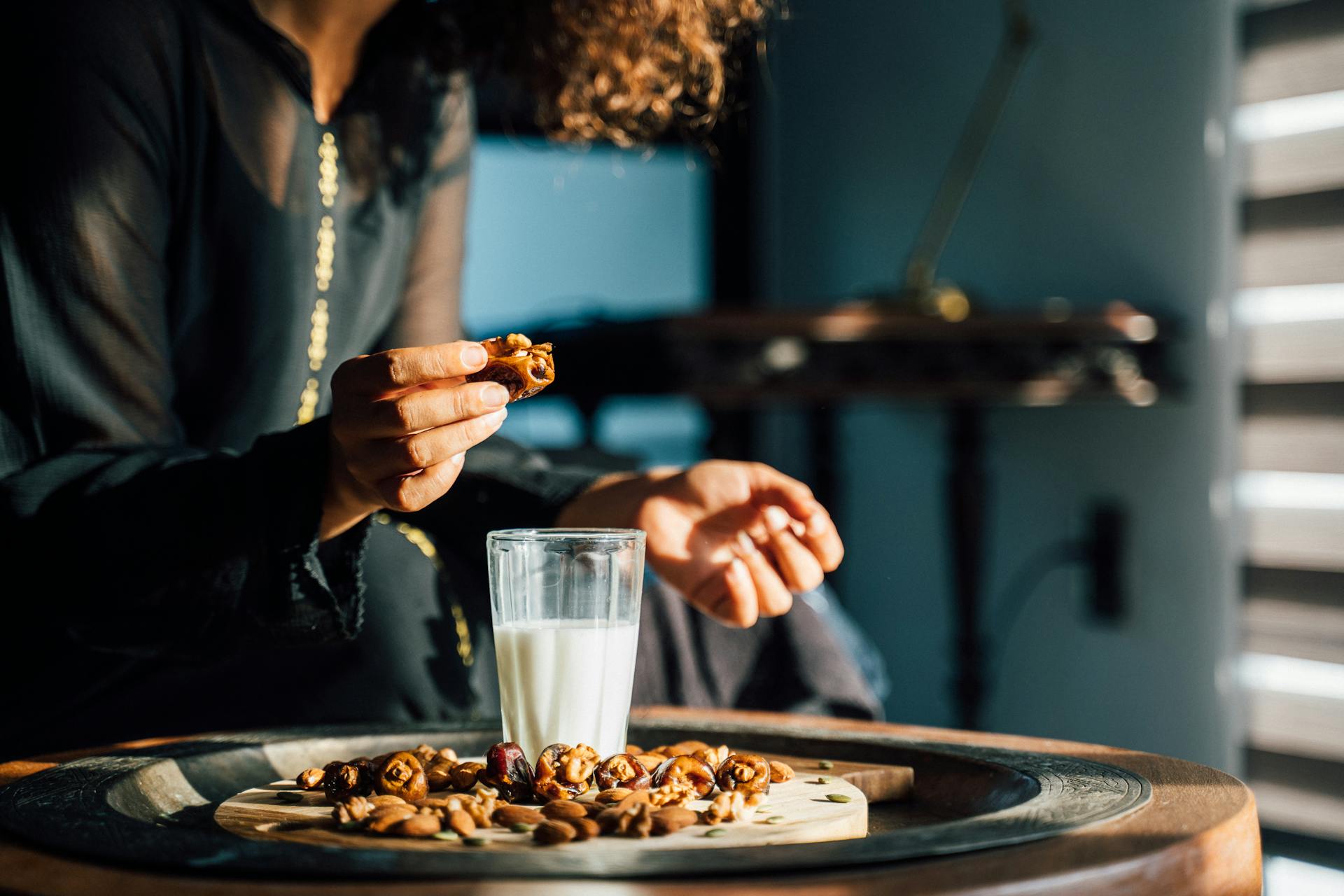
Photo: Ann Tarazevich
Hydration
Studies from the National Library of Medicine show that total water intake during Ramadan is often below recommended levels. This isn’t only because people drink less water, but also because water-rich foods are often overlooked within the limited eating window.
Dehydration tends to show up through headaches, fatigue and reduced concentration — symptoms many people find more challenging than hunger itself. A few simple habits can make a real difference.
- Eat water-rich food
Trying to drink all your fluids at once rarely works and often leads to bloating. Instead, include foods that naturally support hydration, such as soups, broths and fruits.
- Replace lost minerals
Dehydration isn’t just about water — it is also about minerals. During fasting, electrolytes are lost and need to be replenished. This can be done through soups and broths, or even a small pinch of salt added to meals. Electrolyte supplements, such as Humantra or Cadence, are another good option.
- Think in moments, not litres
The best approach to make sure you intake enough water is to spread intake steadily between Iftar and Suhoor. Aim to drink water at least four times during this window, around one to two glasses each time.
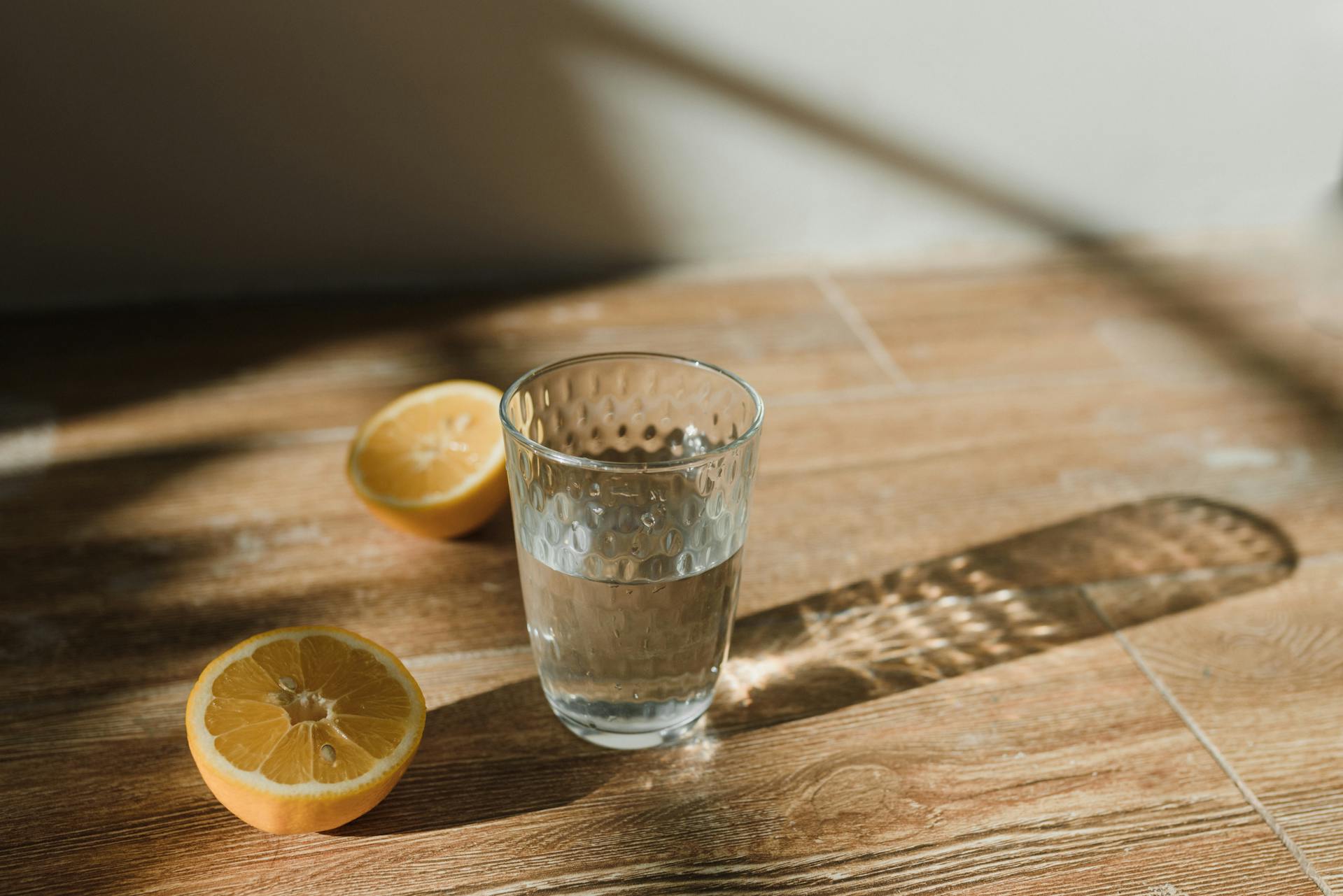
Photo: Arina Krasnikova
Mindset and emotional shifts
The main thing to remember is that Ramadan is about connection — with yourself, your faith, and your intentions — rather than the precise act of following rules. It may sound simple, but it is true: without listening to your body, emotions, and inner state, the experience can begin to feel heavy. Keeping sight of why you are fasting makes all the difference.
The emotional side of Ramadan is deeply personal and shaped by how you feel and what you need. Still, there are a few shared insights that many people find helpful.
- Consider Ramadan is the act of gratitude and generosity
At its core, Ramadan is about gratitude, and small acts of sharing can make the experience feel fuller.
- Listen to your body
Ramadan is also about reconnecting with yourself and your body. One way to do this is through simple meditation or breathing exercises — tools that help you slow down and notice what you often ignore during the rest of the year.
- Reconnect with family
This part of Ramadan works on two levels: returning to your roots and building emotional closeness, while also making the challenge feel lighter when it is shared with others.
- Simplify your mental load
Slowing down isn't a side effect of Ramadan — it is the point. Take care of yourself. Shorten your to-do list, allow yourself more rest, and minimise unnecessary information.
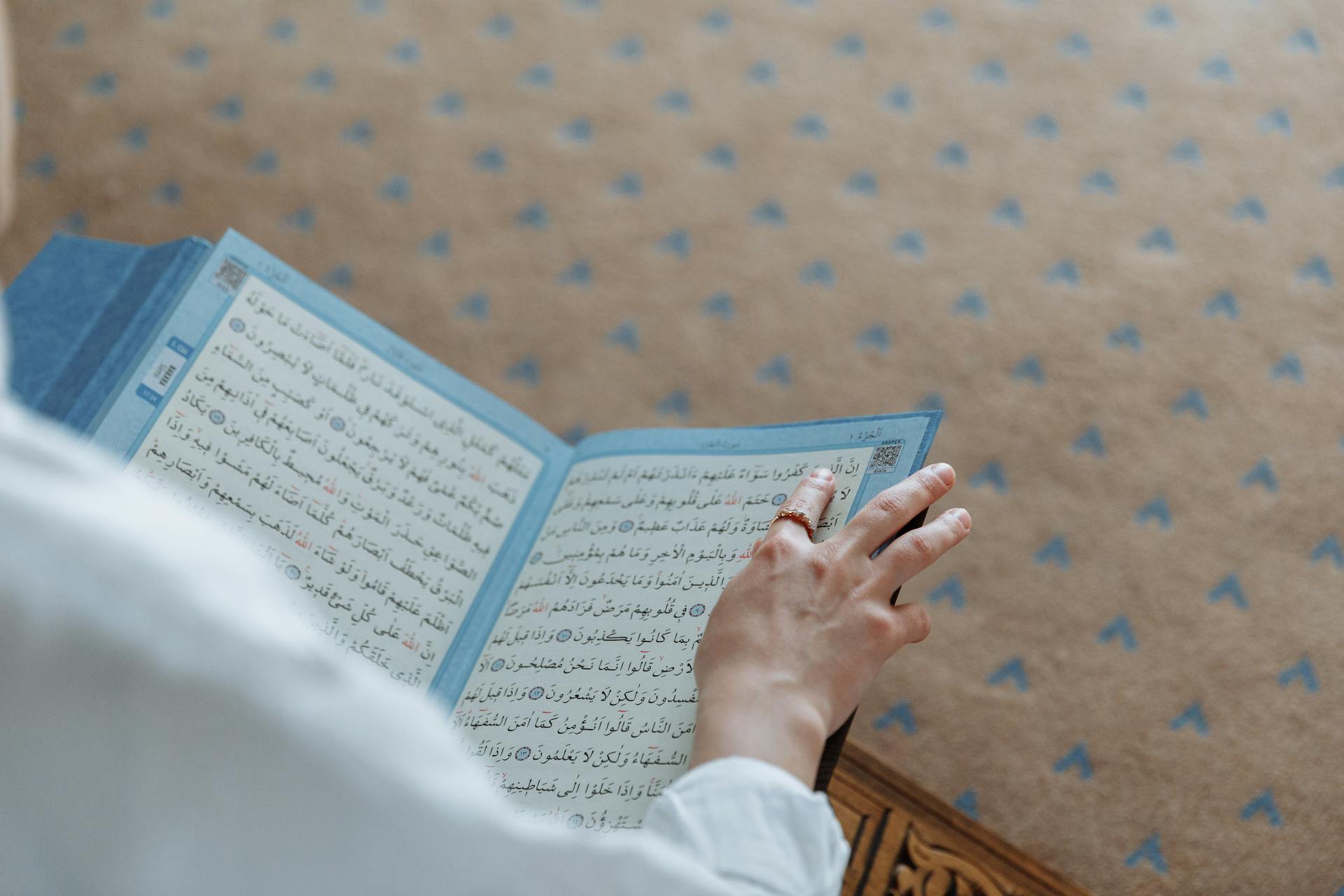
Photo: Thirdman
Sport and activity
Ramadan can sometimes feel like a time when all activities come to a pause — with sport often being the first to go. Yet people I spoke to emphasised that movement remains an important part of the month. Ramadan isn’t only about the soul; it is also about the body, and learning to move with greater awareness.
The real question is how to stay active without overtraining, while still maintaining a strong connection with your body throughout the month.
- Timing is key
The best moments to exercise are those that allow you to refuel afterwards. Training without eating (particularly strength training) can place unnecessary strain on the body. Good options include exercising just before Iftar, a few hours after Iftar, or after Suhoor (before the Fajr prayer, when fasting begins).
- High-intensity cardio and HIIT sessions are best avoided
Opt for shorter, gentler workouts — ideally no longer than 30–40 minutes.
- Listen carefully to your body
You may wake up feeling fatigued, with a headache, or simply sense that intense training isn’t right for you that day — and that is completely okay. On those days, choose something gentle and slow, and allow yourself to stop whenever something doesn’t feel right.
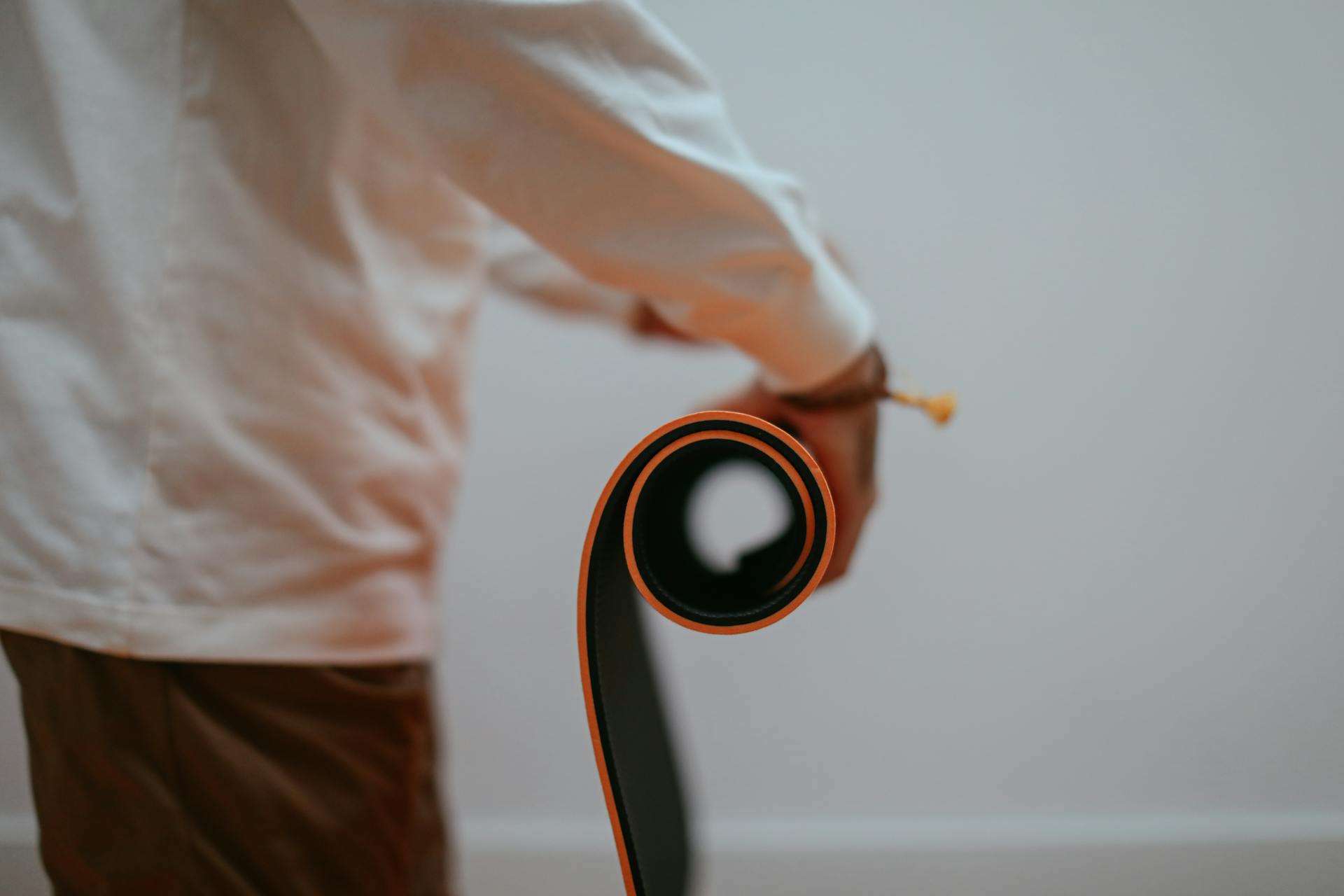
Photo: Cut Of Couple
More from
HealthRamadan
What To Eat During Suhoor For Energy & Hydration: Tips For Hot Climates
A practical guide on what to eat for Suhoor in hot weather
by Sana Bun
2 Feb 2026
RamadanShopping
Ramadan Gift Guides From the Middle East: Artisan-Made, Sustainable & Culturally Rich
From handcrafted ceramics to dates, skincare and curated gift boxes
by Sana Bun
30 Jan 2026
RamadanLiving
Ramadan For Expats: What To Know, How To Participate Respectfully
A practical expat guide to Ramadan from etiquette to daily life changes
by Sana Bun
28 Jan 2026
RamadanFashion
Celebrating Heritage: Ramadan Capsule Collections 2026
Explore special releases from local designers and luxury brands
by Sana Bun
27 Jan 2026
RamadanShopping
Oud, Dates & Spices: Authentic Saudi Gifts For Ramadan
A curated selection of local gifts
by Sana Bun
26 Jan 2026

BeautyRamadan
Beauty Routines During Ramadan: Minimal, Modest, And Culturally Rooted
A practical guide to Ramadan beauty routine
by Sana Bun
21 Jan 2026